Weapons prequel expands as Zach Shields joins Zach Cregger to develop Gladys origin story
The expanding universe of Weapons is moving forward with a new creative partnership that signals both ambition and strategic continuity. Filmmaker Zach Cregger ...
The expanding universe of Weapons is moving forward with a new creative partnership that signals both ambition and strategic continuity. Filmmaker Zach Cregger is officially collaborating with screenwriter Zach Shields on a prequel project currently operating under the working title Gladys. The film is being developed under New Line Cinema, continuing its close alignment with Warner Bros., which distributed the original feature.
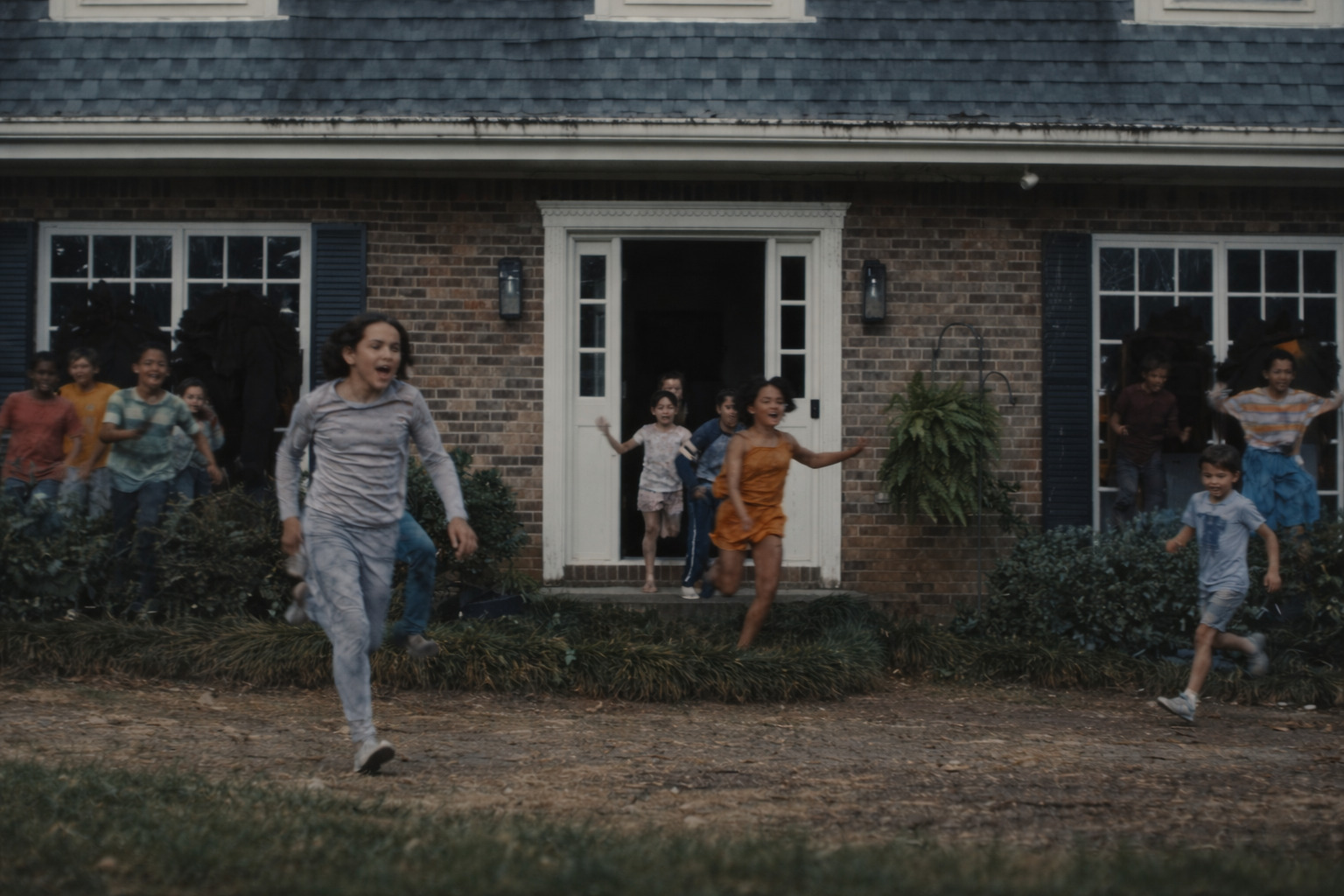
This next chapter is not positioned as a simple extension, but rather as a narrative deepening — one that shifts the emotional and psychological center of the story toward its most unexpected breakout figure.
A character that outgrew the film
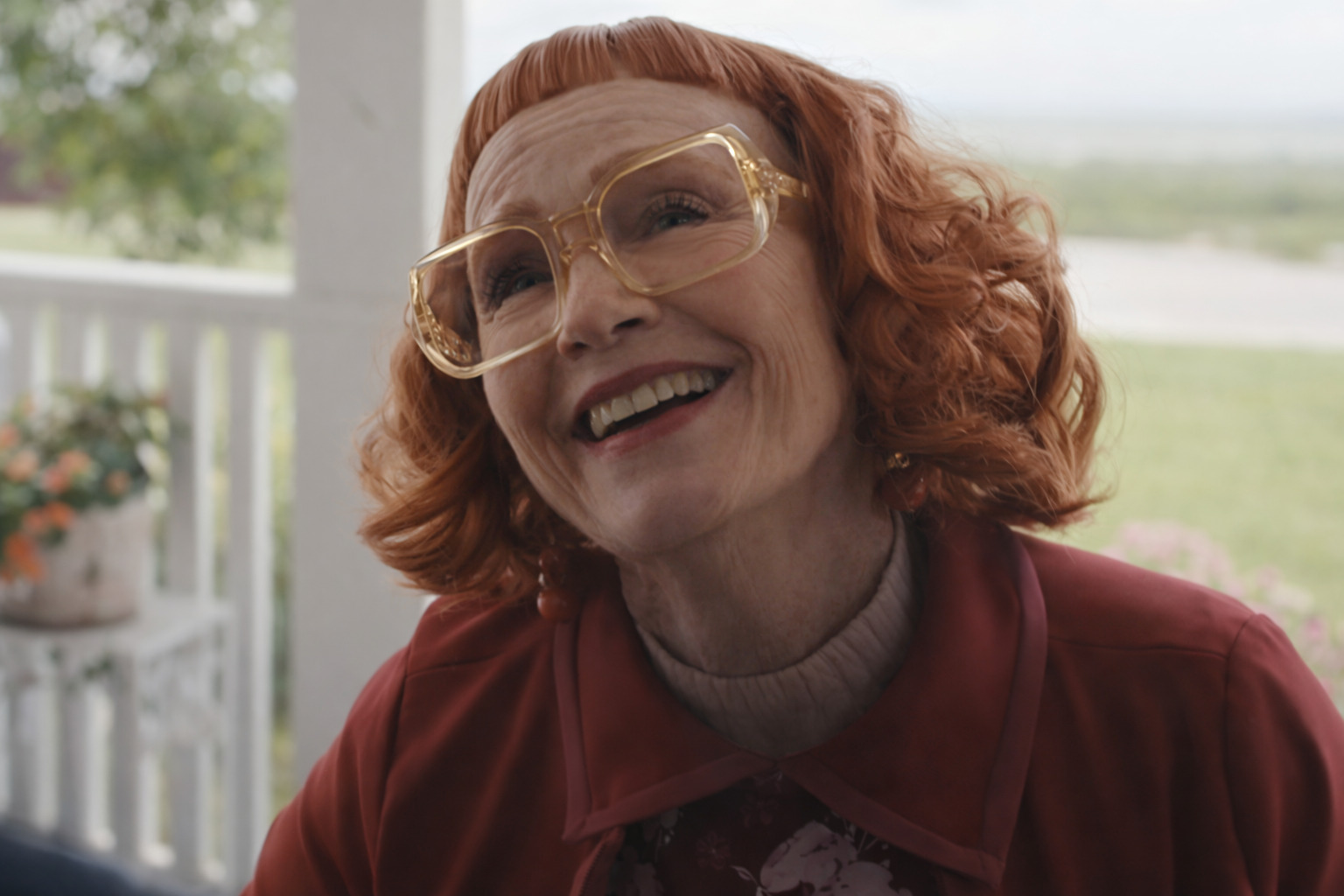
When Weapons premiered in August 2025, few anticipated that Aunt Gladys — portrayed by Amy Madigan — would become the defining element of the film’s legacy. Originally conceived as a secondary presence within a broader ensemble cast, the character quickly resonated with audiences and critics alike.
Madigan’s performance, which balanced restraint with unsettling intensity, ultimately earned her the Academy Award for Best Supporting Actress — a rare achievement for a horror film. The recognition not only elevated the film’s cultural footprint but also reframed its internal hierarchy of storytelling importance.
Rather than centering solely on spectacle or plot mechanics, Weapons became remembered for its atmosphere, its emotional ambiguity, and particularly for the quiet menace embodied in Gladys.
From horror success to narrative expansion
The original film’s commercial performance reinforced the studio’s confidence in expanding the property. With a global box office total of approximately $270 million, Weapons proved that mid-budget horror — when executed with a distinct authorial voice — can still compete within a blockbuster-dominated landscape.
But what makes this prequel noteworthy is not just its financial justification. It reflects a broader shift in how studios approach genre storytelling.
Instead of building sequels that escalate scale, the industry is increasingly investing in narrative depth — exploring origins, psychology, and the conditions that shape characters before the events audiences already know.
In this context, Gladys is less a continuation and more an excavation.
Zach Shields enters the frame
The addition of Zach Shields introduces a different creative energy into the project. Known for his involvement in large-scale franchise storytelling, particularly within the Godzilla universe, Shields brings experience in balancing myth-building with accessibility.
His collaboration with Cregger suggests a hybrid approach: preserving the unsettling, intimate tone of Weapons while expanding its narrative architecture.
This pairing is particularly significant because it reflects a convergence of two storytelling traditions:
the controlled, auteur-driven horror sensibility associated with Cregger
the structured, franchise-aware writing approach associated with Shields
The challenge — and opportunity — lies in maintaining tension without over-explaining the unknown.
The story before the story
While official plot details remain limited, the prequel is expected to revisit the central mystery that defined Weapons: a group of children disappearing overnight under unexplained circumstances.
However, the narrative perspective is likely to shift.
Instead of following the event as it unfolds, Gladys will reportedly explore the conditions leading up to it — social, psychological, and possibly supernatural. This repositioning allows the story to move away from shock-driven pacing toward a more layered form of suspense.
It also opens space for ambiguity, something that audiences increasingly value in contemporary horror.
Rather than providing clear answers, the prequel may deepen the questions.
The evolution of horror storytelling
The decision to build a prequel around a character like Gladys reflects a larger evolution within the genre.
Modern horror is no longer defined solely by fear as an immediate reaction. It increasingly operates through:
psychological tension rather than visual shock
character-driven narratives instead of purely plot-driven structures
thematic depth that invites interpretation rather than resolution
In this landscape, a figure like Gladys becomes more than a character — she becomes a narrative anchor.
Her presence in the original film suggested a history that was never fully explained. The prequel format offers a way to explore that history without necessarily diminishing its mystery.
Strategic timing and audience behavior
From an industry perspective, the development of Gladys aligns with a period where audience habits are becoming more selective. Franchise fatigue has not eliminated demand, but it has changed expectations.
Viewers are no longer drawn solely by brand recognition. They are increasingly responsive to:
distinct tone
narrative coherence
emotional or psychological originality
By focusing on a character-driven prequel rather than a direct sequel, the studio is effectively repositioning the project as a continuation of quality rather than scale.
It is a subtle but important distinction.
A delicate balance
The risk, however, remains clear.
Prequels often struggle with a fundamental tension: the need to provide new insight without undermining the ambiguity that made the original compelling.
If Gladys explains too much, it risks reducing the unsettling power of Weapons. If it reveals too little, it risks feeling unnecessary.
The involvement of both Cregger and Shields suggests an awareness of this balance. Their combined experience indicates a deliberate attempt to expand the story while preserving its core identity.
What comes next
At this stage, the project remains in development, with no confirmed casting announcements or production timeline. Whether Amy Madigan will return in any capacity — even in a narrative framing device — has not been disclosed.
What is clear, however, is that Gladys is not being treated as a routine follow-up.
It represents a test case for how modern horror franchises can evolve:
not by becoming louder,
but by becoming more precise.
In an industry that often equates expansion with escalation, this approach signals something different — a belief that audiences are willing to engage with stories that move inward rather than outward.
And if that assumption proves correct, Gladys may not just extend the world of Weapons.
It may redefine how that world is understood.