Hollywood Salaries, Legacy Sequels, and the Economics Behind The Devil Wears Prada Sequel
The entertainment industry has once again turned its attention to the intersection of star power, franchise value, and modern box office economics following new...

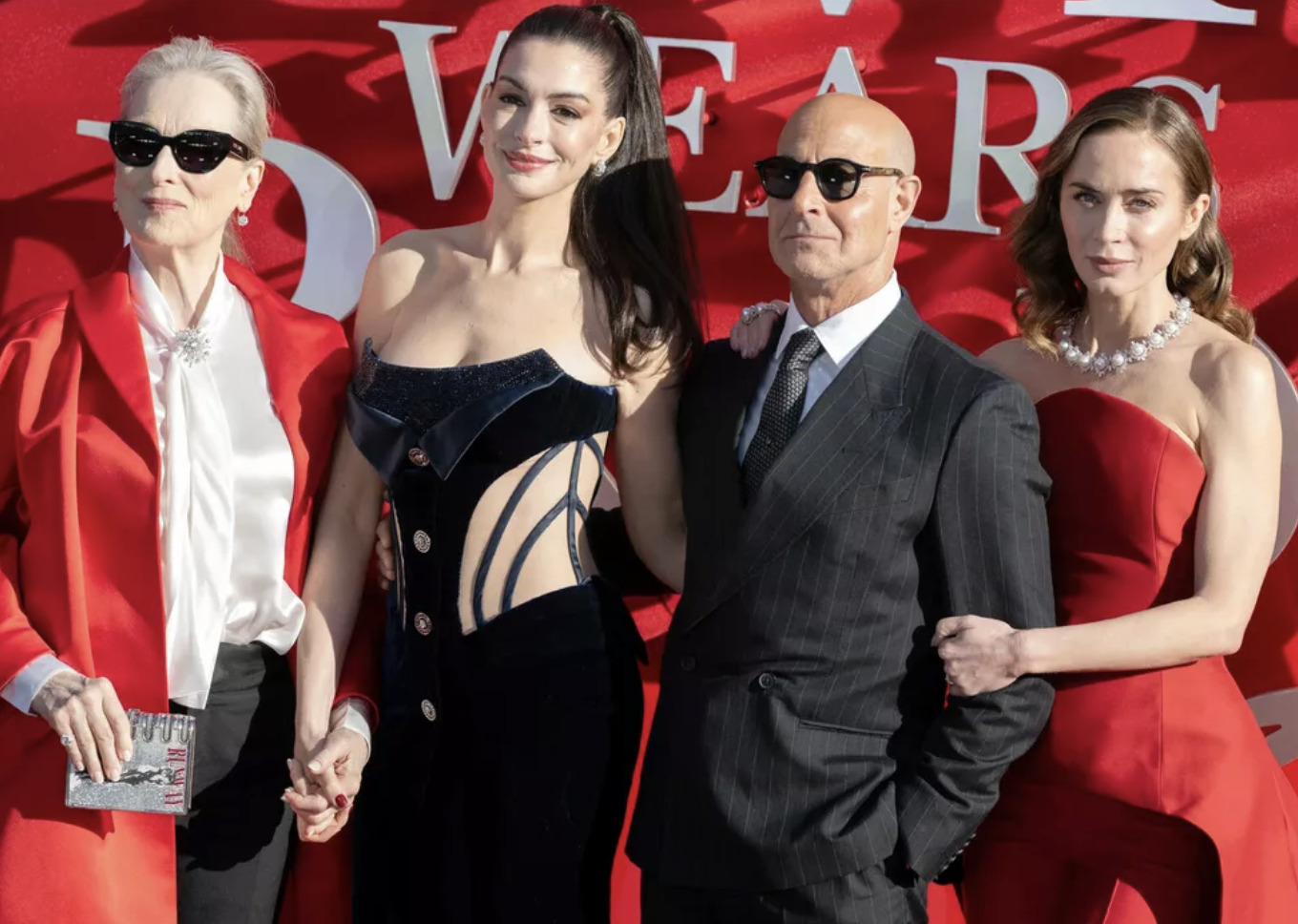
The entertainment industry has once again turned its attention to the intersection of star power, franchise value, and modern box office economics following new reporting from Variety regarding the salaries of Meryl Streep, Anne Hathaway, and Emily Blunt for the sequel to The Devil Wears Prada. The figures reveal not only the financial scale of the project but also the evolving economics of legacy sequels in contemporary Hollywood, where established intellectual properties continue to generate outsized returns nearly two decades after their original release.
According to the report, each of the three lead actresses earned approximately 12.5 million dollars for their roles in the film. The structure of the deal reflects a carefully balanced negotiation between talent compensation and franchise continuity, with Meryl Streep initially securing the headline figure and subsequently advocating for her co-stars to receive equal pay. This decision has been widely interpreted as a rare example of top-tier talent using negotiating leverage not only for individual gain but also to ensure parity among principal cast members in a high-profile production.
Industry insiders note that the base salaries represent only part of the overall compensation structure. With performance-based bonuses tied to box office performance, streaming distribution agreements, and merchandising revenue, total earnings for the trio could potentially rise to 20 million dollars or more per actor. This type of back-end participation has become increasingly common in major studio releases, particularly for projects built around established intellectual property with predictable global demand.
The Return of a Cultural Touchstone
The sequel to The Devil Wears Prada marks the return of one of the most culturally enduring films of the 2000s. The original, released in 2006 and based on Lauren Weisberger’s novel, became a defining entry in the modern workplace drama genre. Its depiction of the fashion industry, media power structures, and personal ambition resonated far beyond its immediate narrative, turning characters like Miranda Priestly into long-standing cultural icons.
The new installment revisits the complex relationship between Miranda Priestly, played by Meryl Streep, and her former assistant Andy Sachs, portrayed by Anne Hathaway. According to available plot details, the sequel centers on a renewed professional confrontation between the two characters as they navigate a transformed media landscape. The fashion magazine world, once defined by print dominance and editorial authority, is now positioned within a digital ecosystem shaped by declining print revenues, influencer culture, and algorithm-driven content distribution.
Emily Blunt reprises her role in the continuation of the story, further reinforcing the ensemble dynamic that contributed to the original film’s success. Stanley Tucci also returns, adding continuity to a cast that has become closely associated with the franchise’s identity. The inclusion of Lady Gaga in a supporting role introduces a new cultural layer, connecting the narrative to contemporary entertainment and fashion ecosystems.
Box Office Performance and Market Response
Early performance indicators suggest strong commercial momentum for the sequel. With global box office earnings already reaching approximately 324 million dollars since its release in early May, the film has exceeded initial industry projections. This performance underscores the continued strength of legacy intellectual properties, particularly those with strong generational recognition and cross-demographic appeal.
The success of the sequel also reflects broader changes in audience behavior. Modern viewers increasingly gravitate toward familiar narratives and established characters, especially in an entertainment landscape saturated with new content. Studios have responded by prioritizing sequels, reboots, and franchise extensions that reduce financial risk while maximizing built-in audience engagement.
In this context, The Devil Wears Prada sequel functions not only as a continuation of a beloved story but also as a strategic asset within a larger studio portfolio. Its performance contributes to long-term valuation models that extend beyond theatrical revenue, incorporating streaming rights, international distribution, and secondary licensing opportunities.
Salary Inflation and the Value of Star Power
The reported salaries of 12.5 million dollars per actress highlight the continued significance of star power in Hollywood economics, even in an era increasingly dominated by intellectual property rather than individual celebrity. While franchise branding often takes precedence over cast recognition in blockbuster cinema, certain actors retain the ability to command substantial upfront compensation based on their cultural and commercial influence.
Meryl Streep’s role in particular underscores this dynamic. As one of the most respected and awarded actors in film history, her involvement carries both artistic credibility and commercial weight. Anne Hathaway and Emily Blunt, meanwhile, bring continuity and generational relevance, bridging audiences who grew up with the original film and newer viewers encountering the franchise for the first time.
The reported decision by Streep to advocate for equal pay among the principal cast also reflects a broader shift in Hollywood’s internal negotiations, where issues of equity and compensation transparency have become more prominent in recent years. This approach aligns with wider industry discussions around pay parity and the distribution of financial value within ensemble-driven productions.
The Evolution of Legacy Sequels
The sequel to The Devil Wears Prada fits into a growing category of legacy films that return to established intellectual properties after extended periods of dormancy. Unlike traditional sequels produced shortly after an original release, these projects rely heavily on nostalgia, cultural memory, and the long-term relevance of their themes.
In many cases, the success of such films depends on their ability to reinterpret familiar narratives for a contemporary audience. This includes updating thematic concerns, modernizing character dynamics, and integrating current technological or social contexts. In the case of The Devil Wears Prada, the shift from print media dominance to digital-first fashion journalism provides a natural narrative evolution.
Cultural Impact and Industry Significance
Beyond its financial performance, the sequel also reflects the continuing influence of fashion-focused storytelling in mainstream cinema. Few films have managed to capture the intersection of personal ambition, workplace hierarchy, and aesthetic culture with the same level of mainstream success. The return of this narrative universe highlights the enduring appeal of stories that combine high-fashion environments with emotionally grounded character arcs.
The involvement of high-profile talent across both cast and production further signals the studio’s commitment to positioning the project as a major cultural event rather than a routine sequel. In an industry increasingly driven by global release strategies and multi-platform distribution, such films function as anchor points for broader marketing and audience engagement campaigns.
Conclusion
The financial details surrounding The Devil Wears Prada sequel offer a clear illustration of how modern Hollywood balances artistic legacy with commercial strategy. With leading actors commanding multi-million-dollar salaries, strong early box office performance, and a culturally resonant narrative foundation, the film represents a textbook example of legacy intellectual property operating at full market efficiency.
At the same time, it highlights a broader truth about the current state of the film industry. In an era defined by franchise continuity and content saturation, the return of familiar stories is not simply a creative decision but an economic one. And in this landscape, the combination of star power, nostalgia, and cultural relevance remains one of the most reliable formulas for global success.