Jon Favreau Brings The Mandalorian and Grogu to the Big Screen for Disney’s Next Star Wars Film
For the first time in several years, Star Wars is preparing to return to cinemas with a project that does not start from scratch, but from something already pro...

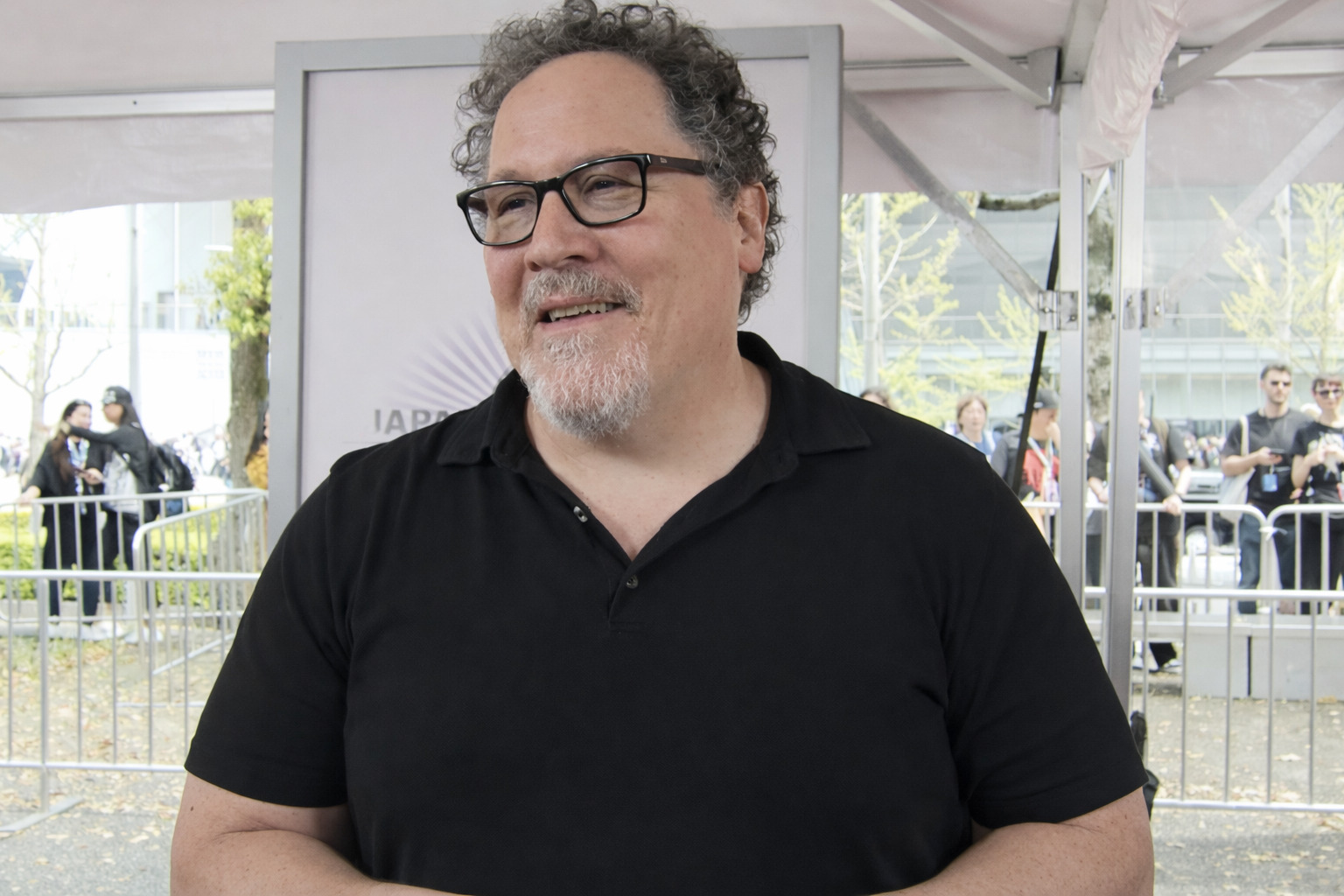
For the first time in several years, Star Wars is preparing to return to cinemas with a project that does not start from scratch, but from something already proven. The Mandalorian and Grogu, directed by Jon Favreau, marks a deliberate shift: not just from streaming to theatrical release, but from experimentation back to consolidation.
What makes this move notable is not the characters themselves, but the strategy behind them. Rather than introducing a new storyline or era, Disney is extending one of its most stable assets — the world built through The Mandalorian — into a cinematic format. It is less a creative gamble and more a controlled escalation.
From Streaming Success to Theatrical Pressure
When The Mandalorian launched on Disney+, it was positioned as a flagship series designed to anchor a new platform. It succeeded not only in audience numbers but in cultural reach, largely through the unexpected phenomenon of Grogu. However, streaming success operates under different rules. Retention, engagement, and episodic pacing shape decisions more than scale or finality.
Cinema changes those expectations. A theatrical release demands narrative compression, visual expansion, and a different kind of payoff. Favreau has acknowledged that moving to the big screen requires elevating every layer of production, from effects to emotional stakes. The question is not whether the story can continue, but whether it can justify the format.
A Franchise Learning from Its Own Fatigue
The decision to build a film around existing characters reflects a broader recalibration within Star Wars. After a period marked by uneven reception and franchise fatigue, the priority has shifted toward familiarity and controlled risk.
Rather than pushing forward with entirely new trilogies, the studio appears to be reinforcing what already works. This is not unique to Star Wars. Across the industry, studios are increasingly relying on established ecosystems where audience attachment is already measurable.
In this sense, The Mandalorian and Grogu is not just a continuation of a story. It is a test of whether continuity itself can function as a strategy.
Scale, Technology and the Return to Spectacle
Another layer of this transition lies in production. The original series was known for its use of virtual production technology, particularly StageCraft, which allowed for cinematic visuals within a television workflow. Moving into a theatrical environment raises expectations again.
Large-format screenings, including IMAX, reintroduce the importance of spatial depth, detail, and immersion. Practical effects, digital environments, and character animation are no longer competing with the constraints of episodic delivery. They are expected to define the experience.
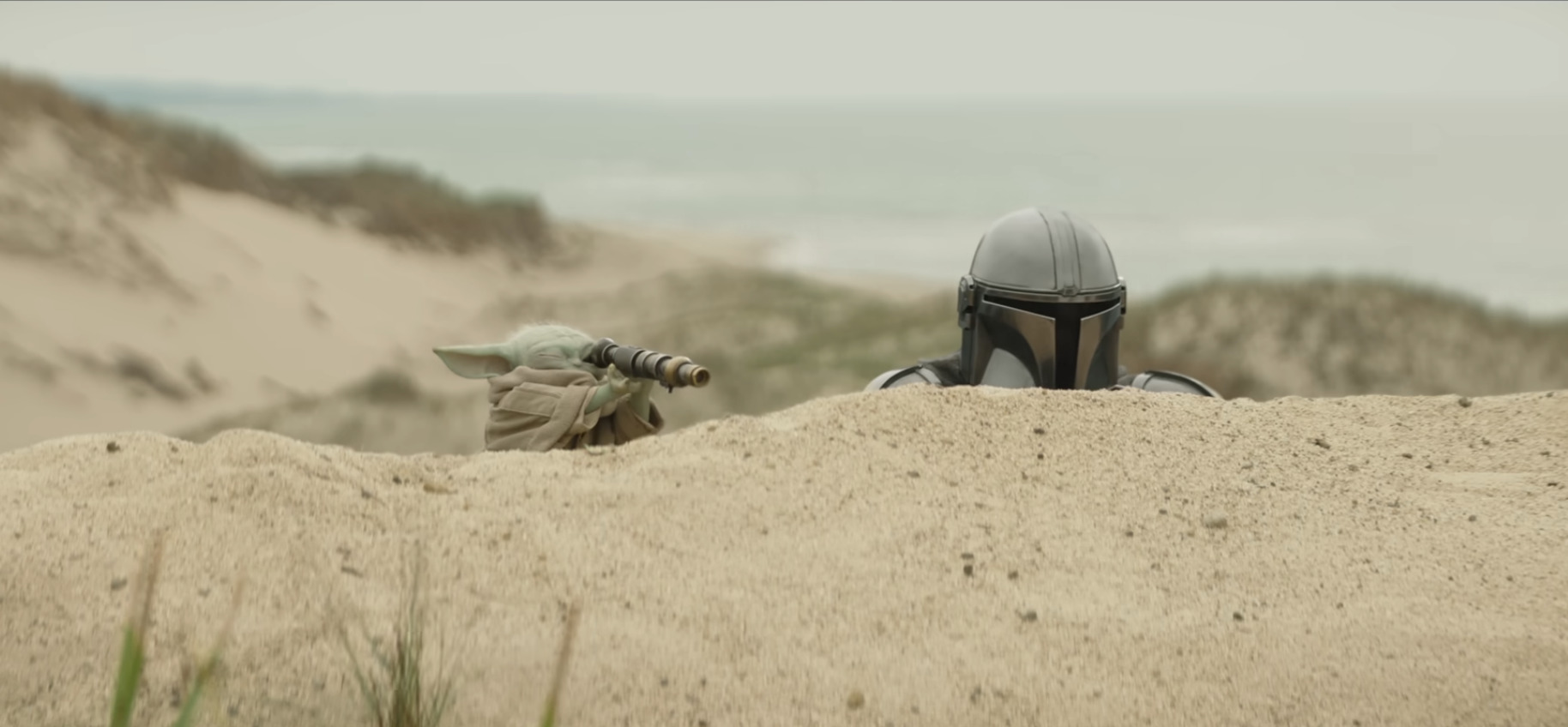
Grogu, in particular, becomes more than a character. He becomes a technical and emotional focal point. His evolution is not only narrative but visual, reflecting how far the production is willing to go to justify its presence on the big screen.
Release Timing and Box Office Expectations
Positioning The Mandalorian and Grogu for a theatrical release is not a random move. Disney is deliberately targeting a window when blockbuster competition typically peaks, signaling confidence not only in the project itself but also in the audience’s willingness to return to Star Wars in cinemas. The film enters a landscape where franchise fatigue and increasingly selective viewing habits have reshaped box office dynamics, making performance far less predictable than in previous cycles.
Early industry projections suggest that legacy franchises now depend less on brand recognition alone and more on perceived necessity. Audiences are no longer showing up by default — they are choosing selectively. This places additional pressure on the film to deliver not just familiarity, but relevance. In this context, The Mandalorian and Grogu is expected to function as both a commercial release and a benchmark for future theatrical investments within the franchise.
Audience Behavior and Franchise Loyalty in 2026
The shift from streaming to theatrical also reflects changing audience behavior. Platforms like Disney+ have trained viewers to consume content on demand, often in fragmented sessions. Cinema, by contrast, requires commitment — time, attention, and physical presence. Bridging this gap is one of the film’s central challenges.
At the same time, loyalty within Star Wars has become more segmented. Casual viewers, long-time fans, and new audiences engage with the universe differently, often through separate entry points. This fragmentation creates both opportunity and risk. A film like this can unify audiences around familiar characters, but it must also operate without assuming shared knowledge. Accessibility and depth now have to coexist within the same narrative framework.
What This Film Is Really Testing
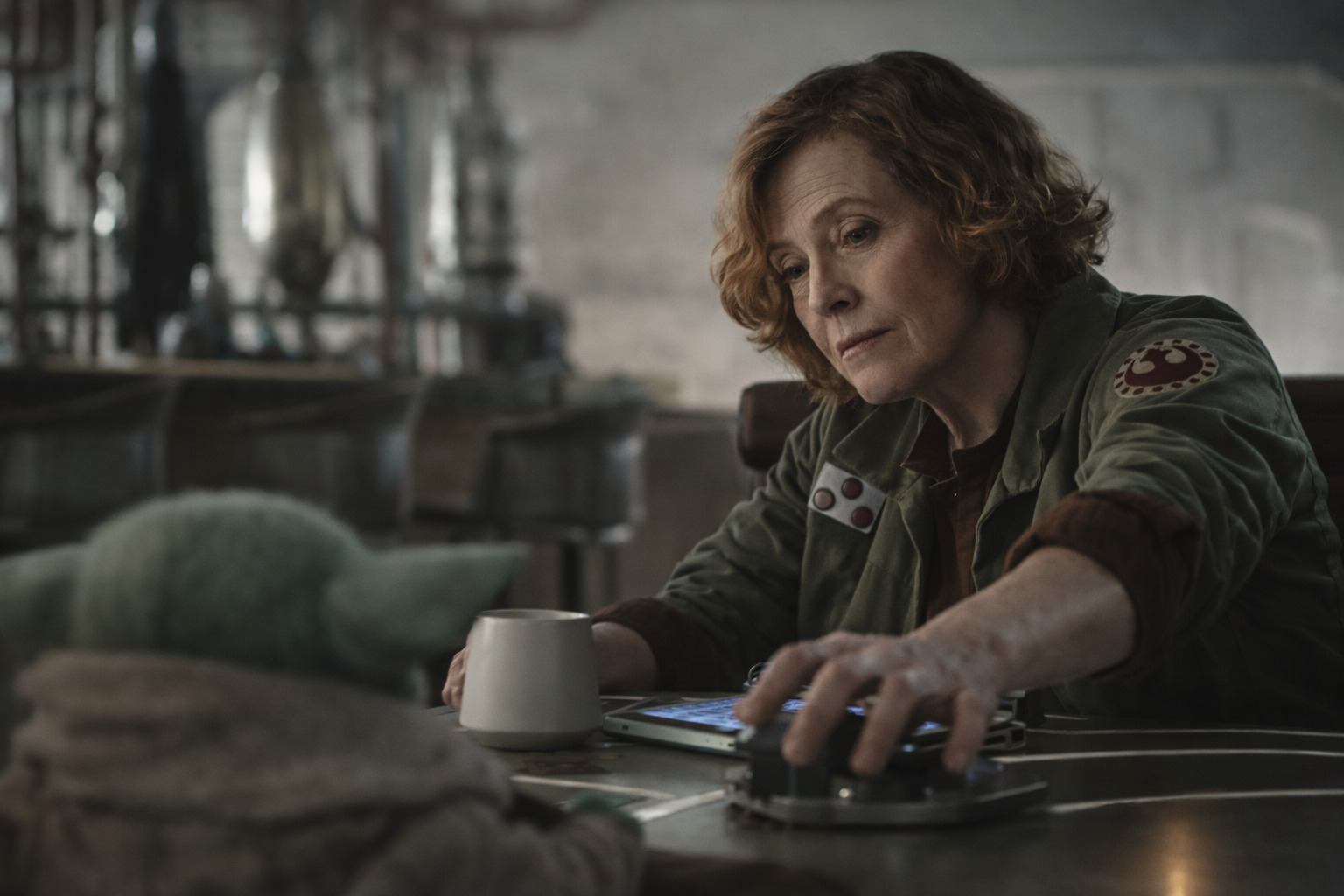
At a surface level, the film continues the journey of Din Djarin and Grogu within a galaxy still shaped by the remnants of the Empire and the fragile structure of the New Republic. But structurally, the stakes are different.
This project tests whether a streaming-born narrative can scale without losing coherence. It tests whether audiences will follow characters across formats. And perhaps most importantly, it tests whether theatrical Star Wars can still feel essential rather than optional.
The outcome will likely influence how future projects are developed. A strong performance could validate a hybrid model where series and films operate as extensions of the same ecosystem. A weaker reception, however, would reinforce the idea that not all stories benefit from expansion.
A Controlled Return, Not a Reinvention
There is no radical reinvention here. No new mythology, no disruptive tone. Instead, there is a measured return built on recognition, familiarity, and incremental growth.
This may seem cautious, but caution is precisely the point. After a decade of expansion, Star Wars is no longer trying to prove its reach. It is trying to stabilize its direction.
And that makes The Mandalorian and Grogu less of a cinematic event in isolation, and more of a structural signal. Not about where the franchise can go, but about how carefully it now chooses to get there.