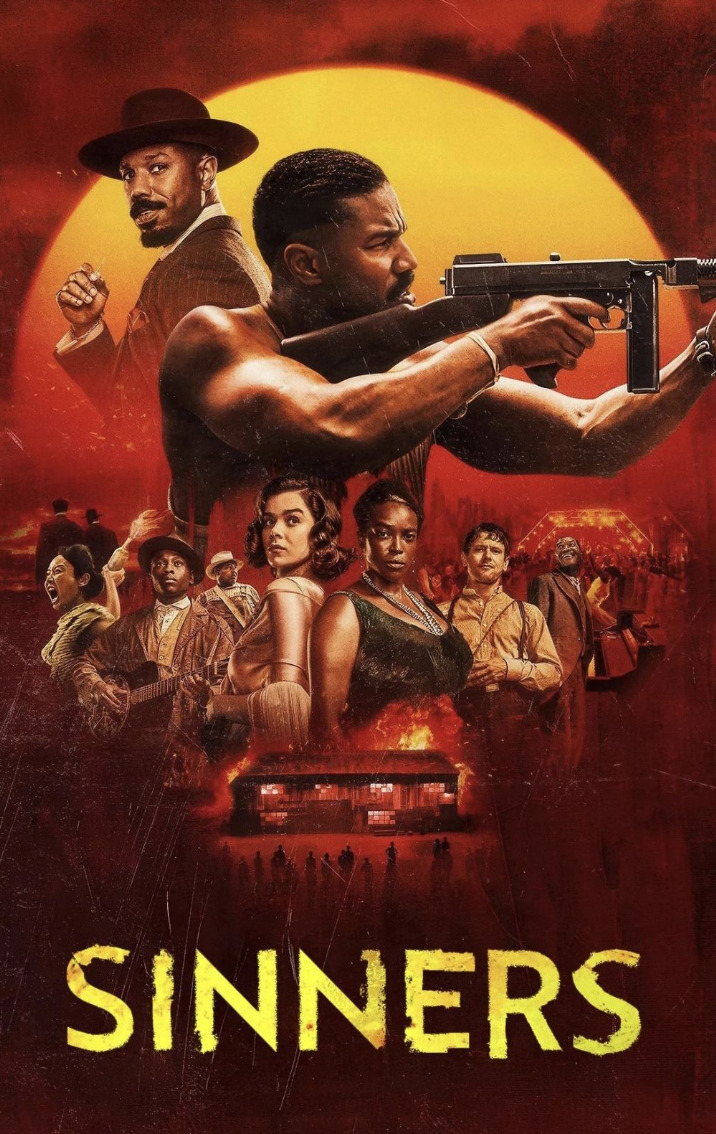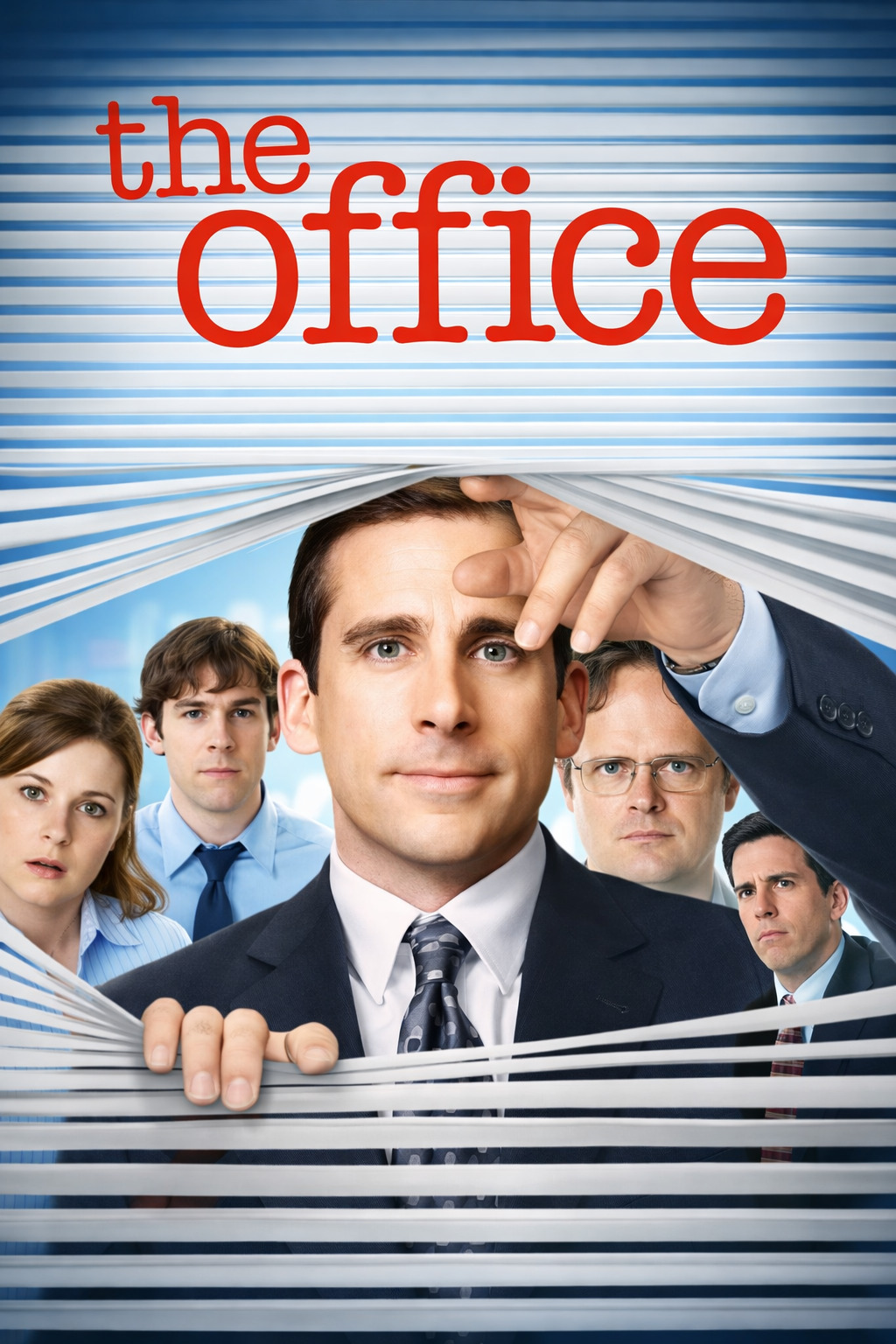
Why The Office still works as one of the most rewatched shows in modern television
A show about a small paper company in Pennsylvania should not have lasted nine seasons, earned 63 Emmy nominations, won 10 of them, and become one of the most r...

A show about a small paper company in Pennsylvania should not have lasted nine seasons, earned 63 Emmy nominations, won 10 of them, and become one of the most rewatched series in television history.
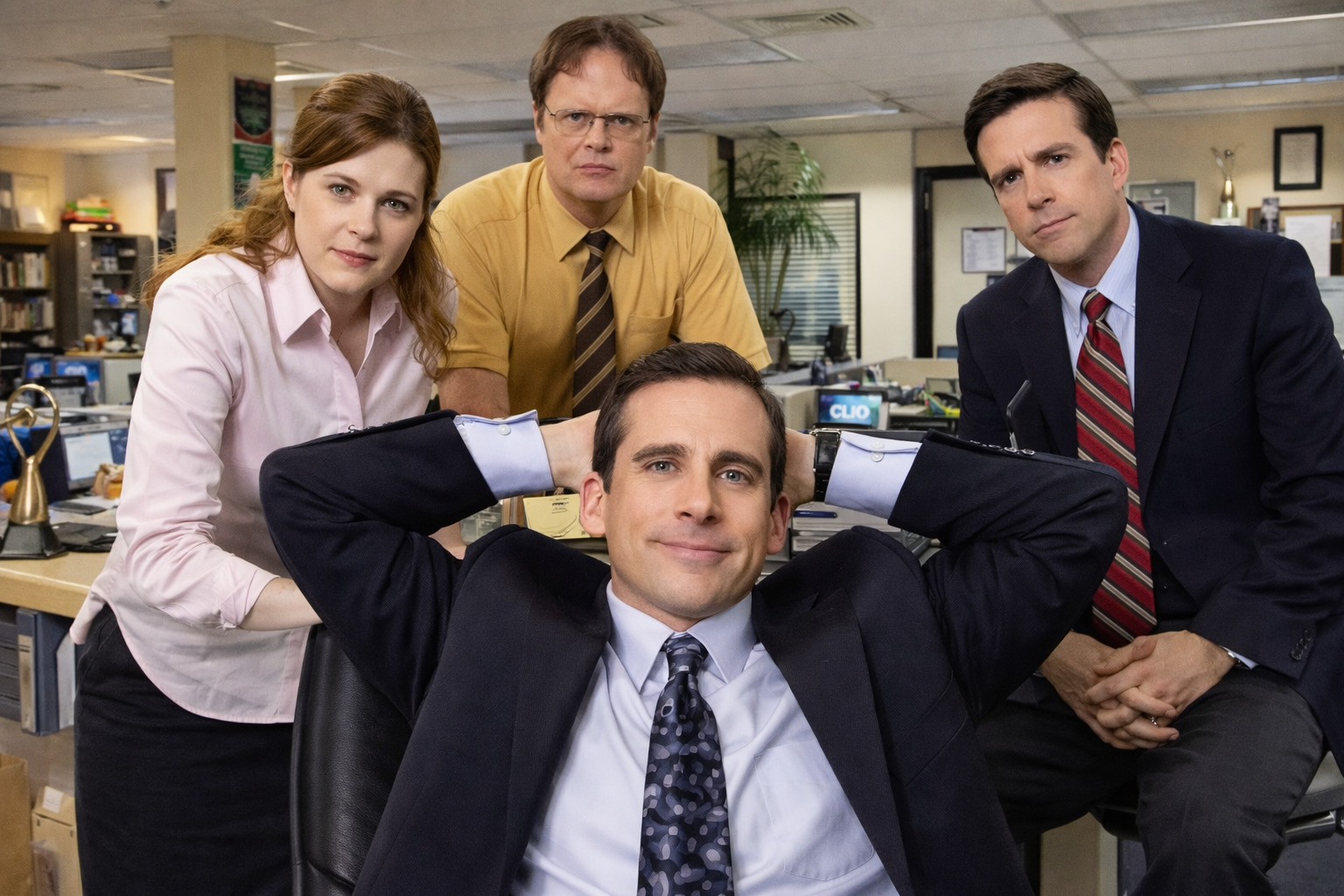
And yet, The Office did exactly that.
What makes it even more unusual is not just its success, but its afterlife. Years after it ended, it remains one of the most streamed shows in the world, its scenes circulate endlessly online, its characters feel familiar even to new audiences, and even figures like Billie Eilish admit to rewatching it dozens of times.
At first glance, nothing about it should work at this scale. The premise is minimal, the pacing is slow, and the humor often depends on discomfort rather than payoff.
So the real question is not why it became popular.
It is why it never stopped being relevant.
The American version of The Office should not have become a global phenomenon. A slow-paced mockumentary about paper sales in Pennsylvania, built on awkward pauses and uncomfortable silence, does not look like a formula for mass success. And yet, it collected dozens of major awards, including multiple Emmy wins, and secured a place among the most rewatched shows in streaming history.
What makes this even more unusual is not just its success during its original run, but the scale of its afterlife. Years after the finale, it remains culturally active, constantly rediscovered by new audiences and repeatedly revisited by existing ones. Even Billie Eilish admitted she watched the series more than twenty times — a number that sounds exaggerated until you understand how the show actually works.
A simple story that turned into a system
At its surface, the series follows a regional branch of a paper company navigating routine office life in the early 2000s. No high stakes, no dramatic arcs in the traditional sense, and no urgency in pacing.
But that simplicity is deceptive.
What the show builds instead is a controlled environment where repetition becomes variation. The same office, the same desks, the same characters — but with constantly shifting emotional dynamics. This is why the series does not rely on plot progression to удерживать внимание. It relies on familiarity.
Viewers do not watch The Office to find out what happens next.
They watch it to return to something that already works.
Casting that defined everything
Before Steve Carell became Michael Scott, the role was still shaping what the series would be. As an adaptation of the British original, the character could have remained harsher and more cynical, closer to David Brent. Instead, the American version required a different balance — one that would make the discomfort sustainable over multiple seasons.
James Gandolfini was considered at one point, and reports suggest he was offered around $3 million not to take the role. His presence would have shifted the tone toward authority and tension. The office would feel controlled rather than unstable.
Carell’s version did the opposite. Michael is not defined by power, but by need. He seeks approval, misreads situations, oversteps constantly, yet remains transparent. The character works because his behavior creates discomfort, but his intention prevents rejection.
This balance was not fixed from the start. In the first season, Michael is closer to the British version — colder and less self-aware. From season two onward, the character is adjusted, adding vulnerability and emotional inconsistency. That shift made long-term engagement possible.
Carell’s timing also mattered. Coming off The 40-Year-Old Virgin, he brought a recognizable persona built on awkwardness combined with sincerity. That carried directly into Michael Scott and shaped how audiences interpreted him.
The result is precise: remove authority, add exposure, keep unpredictability. That combination defines the tone of the entire series.
Real office, real behavior
One of the most defining production choices was keeping the office operational rather than staged. The computers on set were fully connected, and actors were often actually checking emails, browsing, or handling small tasks during scenes. That detail removed the artificial rhythm typical of sitcoms and replaced it with continuity — the sense that life in the office does not pause between lines.
As a result, the background is never empty. Movement, distraction, and routine remain visible even when the scene is not centered on them. The space functions independently of the script, which gives the series its observational quality.
This realism became especially noticeable during the pandemic. When audiences returned to the show at scale, the office environment carried a different weight. It was no longer just a setting for comedy, but a representation of shared routine — something structured, predictable, and social. What once felt ordinary began to register as familiar in a way that current reality no longer provided.
The effect is direct: the more authentic the environment, the stronger the attachment to it over time.
When comedy crosses into reality
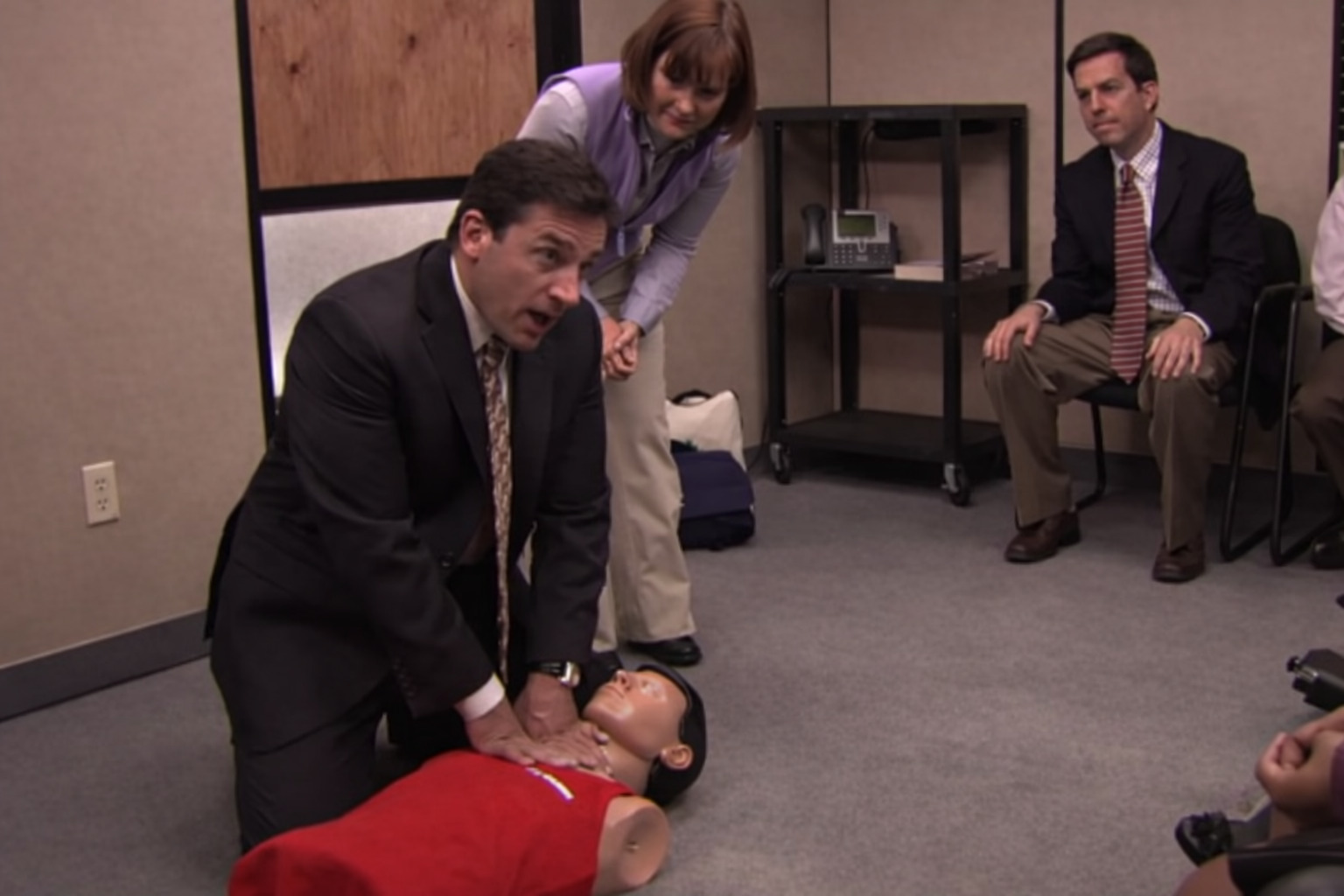
One of the most famous episodes — the CPR training scene — was designed as pure absurdity. Chaos, panic, and one of the most iconic comedic sequences in television.
And yet, it had real-world impact.
A viewer later used what he remembered from that episode to perform CPR and save a life, recalling even the rhythm technique based on the song “Stayin’ Alive.”
This is where The Office does something unusual.
It turns exaggeration into memory,
and memory into action.
Precision behind simplicity
The show often feels improvised, but it is highly controlled.
Scenes that appear effortless required extensive setup. For example, Jim’s proposal to Pam — one of the most emotional moments in the series — was filmed on a fully constructed set to control every element, including rain, timing, and lighting.
Even minor scenes had real consequences. A watermelon stunt damaged a car and resulted in thousands of dollars in repairs, while unauthorized use of music cost tens of thousands more.
This is not casual production.
It is precision disguised as simplicity.
Details that change perception
The deeper you go into the show, the more constructed it becomes:
John Krasinski wore a wig early in the series
Brian Baumgartner deliberately slowed his speech for Kevin
Mindy Kaling shaped dialogue from inside the writer’s room
Steve Carell’s exit was not fully creative — his contract was simply not renewed
These are not trivia points.
They explain why the show feels natural — because every element is adjusted, not accidental.
Why people keep coming back
The Office does not demand attention.
It allows presence.
That distinction is what keeps it relevant. It functions less like a traditional series and more like an environment. Something you can enter, leave, and return to without losing connection.
This is also why its ecosystem continues to grow. Podcasts hosted by the cast regularly rank at the top of charts, proving that the audience’s attachment extends beyond the episodes themselves.
The show did not end.
It shifted format.
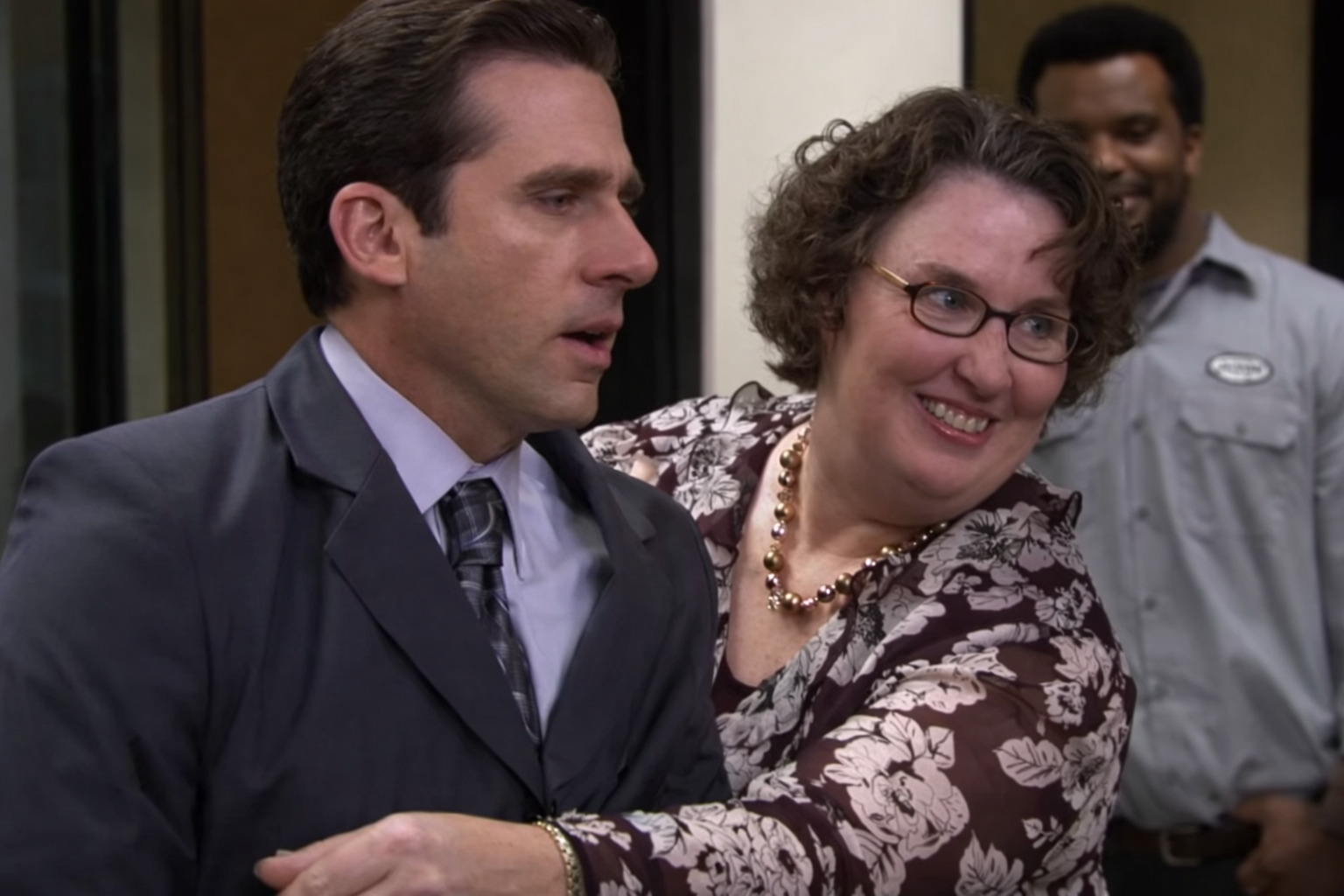
A system that mirrors modern engagement
What The Office understood early is something many platforms are still trying to replicate today: retention is not built on intensity, but on consistency.
Users — or viewers — return to systems that feel stable, predictable in structure but flexible in experience. The same logic applies across different environments, including digital platforms like Spinboss, where engagement is driven not by constant novelty, but by reliability and repetition that still feels dynamic.
Different industries, same principle.
Conclusion
The Office did not scale by expanding its scope or amplifying its format. It worked because it treated limitation as a framework and executed it with consistency.
The setting never changed, the structure remained stable, and the variation came from behavior, timing, and interaction. That stability allowed the series to function beyond its original run.
It is not sustained by narrative momentum, but by repeatability.
Viewers do not return to see what happens next.
They return because the system remains intact.
And as long as it does, the series does not age — it resets.