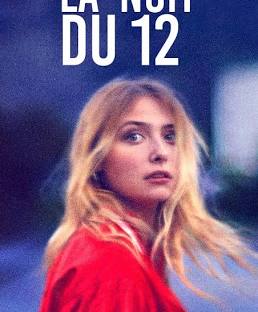
The Night of the 12th
So, who killed Laura Palmer?“The Night of the 12th” is a deceptive film. The plot and even the localized title (“Mysterious Murder”) suggest a detective story. ...

So, who killed Laura Palmer?
“The Night of the 12th” is a deceptive film. The plot and even the localized title (“Mysterious Murder”) suggest a detective story. And why wouldn’t they? A young woman is brutally murdered—burned alive—so of course there will be an investigation and a hunt for the killer.
But very quickly, you realize the filmmakers are more interested in a Twin Peaks-like aura in the spirit of David Lynch. The girl, much like Laura Palmer, turns out to have been… well… complicated—“loving” (that is, sleeping with just about everyone), and choosing as partners exclusively psychos, abusers, losers, and outright creeps.
Gloomy police officers interrogate her lovers one by one, and it’s hair-raising: one bursts out laughing upon hearing of her death, another wrote a rap about wanting to burn her, a third has a canister of gasoline at home, and so on. The atmosphere of the small French town feels distinctly Lynchian—darkness, mountains on the horizon, eerie silhouettes lurking in the background. It feels like the supernatural is just about to begin.
But it doesn’t.
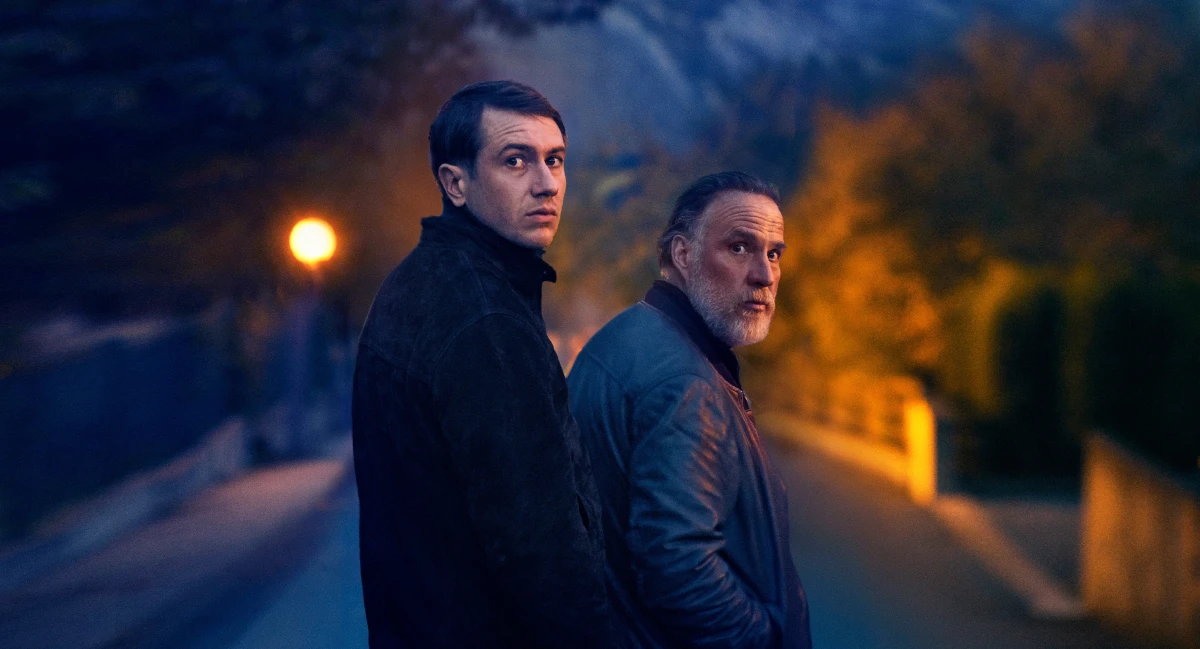
The film takes another turn and becomes a meticulous police procedural. Clues pour in—someone sends in a lighter, someone leaves bloody traces, someone visits the victim’s grave at night, and so on. The police aren’t incompetent—they try hard: staking out suspects, analyzing evidence, tapping phones, even bringing in a lip-reading expert to identify a song silently mouthed in a recording. There’s even an empathetic judge who insists on reopening the case three years later.
And… nothing.
Toward the end, the film shifts again—this time into a drama about gender stereotypes. If a woman is murdered, why is the killer assumed to be a man? Why does a woman feel uncomfortable among rough, boorish male cops? “Something has gone rotten between men and women,” the characters say outright.
And only when the film ends do you realize what it’s really about: hopelessness. That clues don’t always lead anywhere. That things don’t always work out “like in the books.” And that the true protagonist is the young police officer—still naïve enough to believe that if you do everything right, you’ll get results.
All day, he futilely searches for the killer. In the evening, he rides endless laps on a velodrome, exhausting himself. And the film’s real mystery is no longer the murder, but the investigator’s inner world—whether he can break free from this metaphorical closed loop.