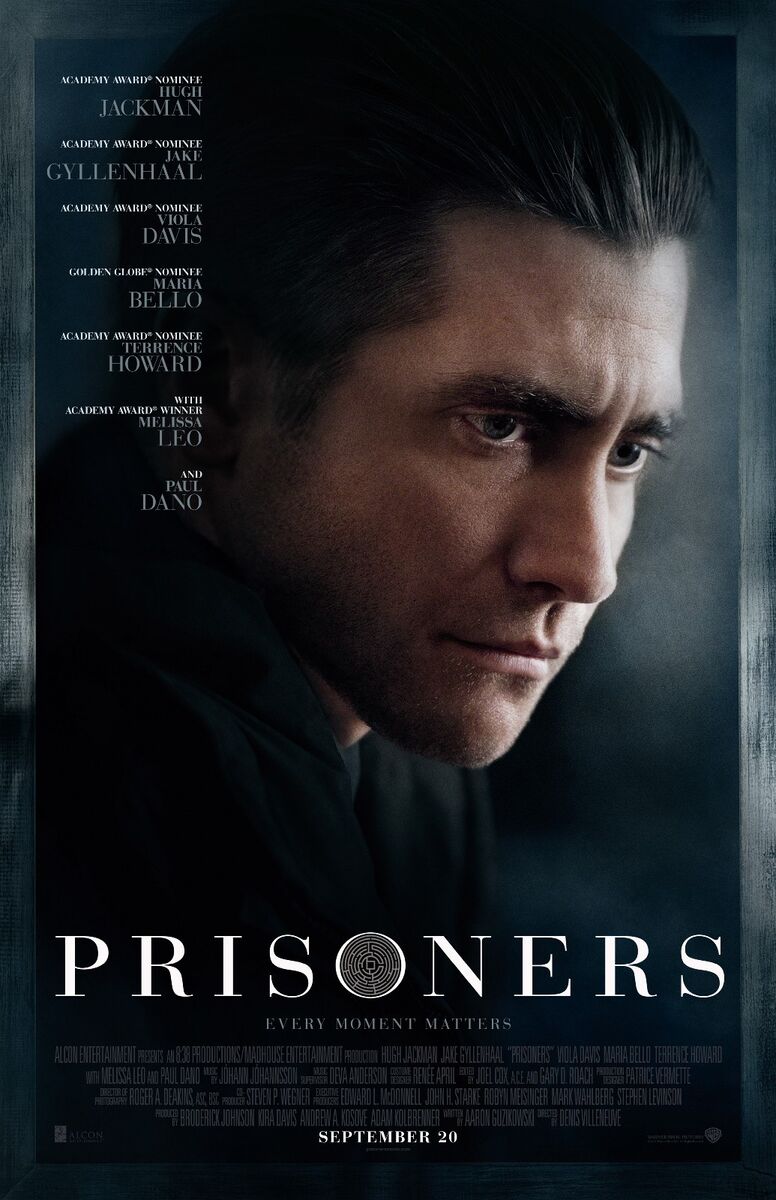
Prisoners: A High-Quality Adaptation of a Raw Script
After watching this film, I was left with mixed feelings. From a technical standpoint, there is very little to criticize. Everyone involved, including the direc...

After watching this film, I was left with mixed feelings. From a technical standpoint, there is very little to criticize. Everyone involved, including the director, delivered 100%, resulting in an atmosphere that is easily a 10 out of 10.
In terms of the overall narrative structure, things are also in good shape. It’s worth noting that the original title, “Prisoners,” in the context of the story, would be better translated as “captives,” since it becomes clear even from the synopsis that the story is not only about the kidnapped girls. Conceptually, the plot resembles a kind of Möbius strip, where it’s impossible to distinguish cause from effect.
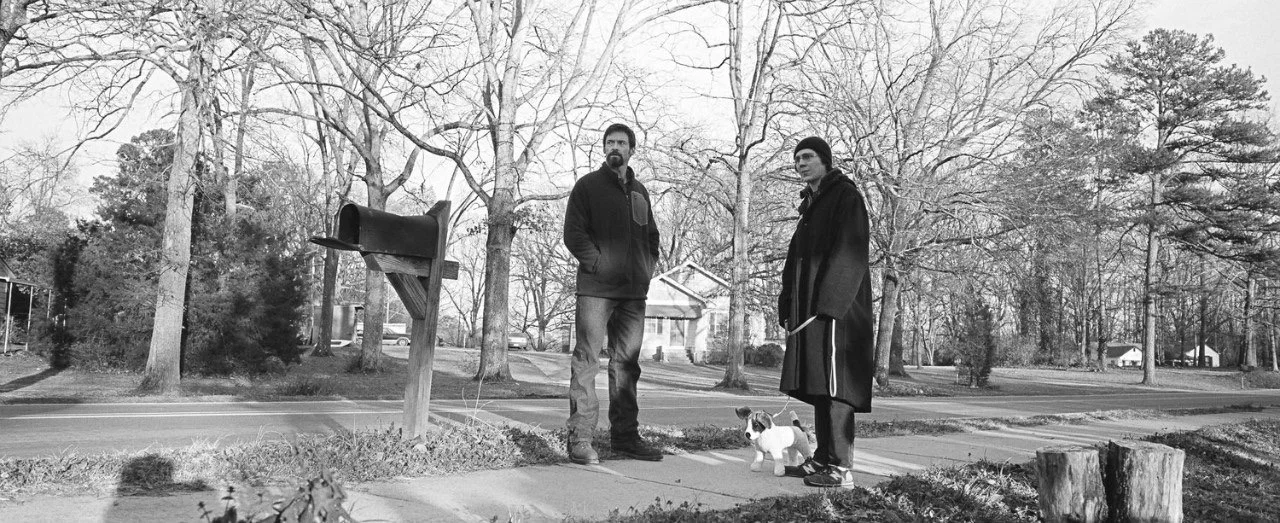
However, while the global structure works and individual story elements function well on their own, things start to fall apart at the points where they connect. Of course, this is a work of fiction, and it relies on certain conventions and assumptions required for storytelling. But here, there are so many of them that the viewing experience splits into two: watching with your mind and watching with your heart.
As mentioned earlier, the atmosphere is excellent, but the story’s elements often interact with each other simply “because they do.”
Take the prologue, for example. In a quiet suburb, children disappear in broad daylight, and there is only one suspect. This suspect either has mental issues or is pretending. What should the police do in such a straightforward situation? Given the severity of the crime and the limited number of suspects, one would expect a thorough investigation into everything related to him. But in reality, they not only do nothing - they almost make things worse. No one even thinks to properly determine what is wrong with the suspect. He’s simply dismissed as a fool, and that’s it.
It would be one thing if only the prologue felt artificial, but the entire plot is built on similar conveniences. No one knows anything, sees anything, or understands anything. At times, there are completely unexplained developments, like characters seemingly “changing in mid-air” or sudden, unmotivated plot twists appearing out of nowhere.
This kind of script clearly needed refinement, and it’s hard to understand how it was accepted in this form. The police, as an institution, effectively disappear from the story after the prologue’s imitation of activity. The detective, despite having all the necessary clues, cannot put two and two together and spends more time reflecting than actually investigating. The parents’ actions are emotionally justified, but without meaningful police involvement, they feel unrealistic and require effort to accept. The logic of other characters is also deeply flawed. More than that - by the finale, it becomes obvious that the story is manipulating the audience, and if the police had done anything reasonable in the beginning, the story would have ended before it even began.
As a result, the film is engaging to watch, but not particularly satisfying to analyze, and it doesn’t leave a strong aftertaste. In most cases, such a raw script would sink a project, but here we have a rare situation where, aside from the script itself, there is very little to criticize.