Horror is no longer about fear and slasher films prove it
The assumption that audiences are tired of horror — particularly long-running slasher franchises — sounds convincing on paper. Sequels multiply, familiar masks ...

The assumption that audiences are tired of horror — particularly long-running slasher franchises — sounds convincing on paper. Sequels multiply, familiar masks return, and narrative structures repeat themselves with minor variations. From the outside, it looks like exhaustion.
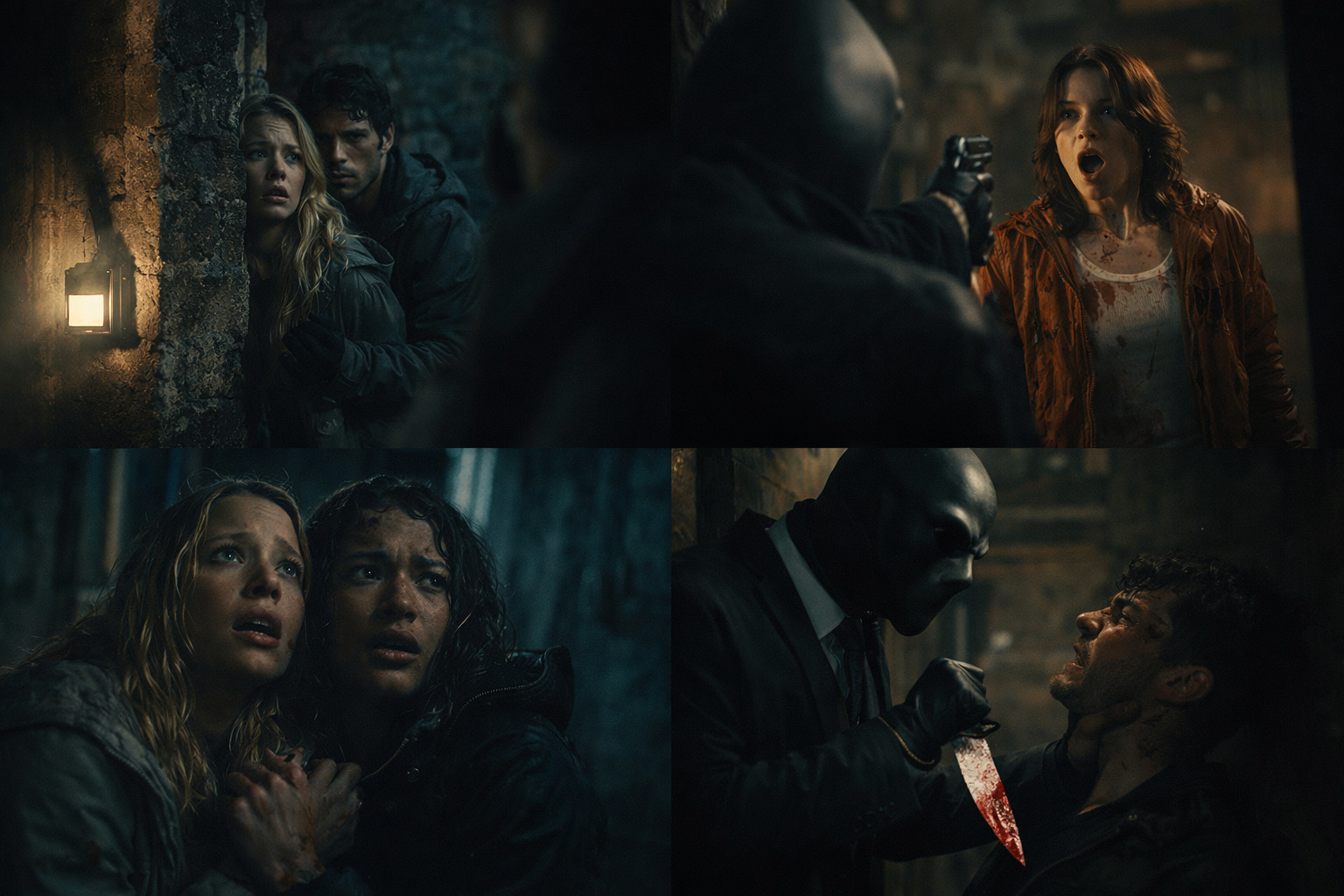
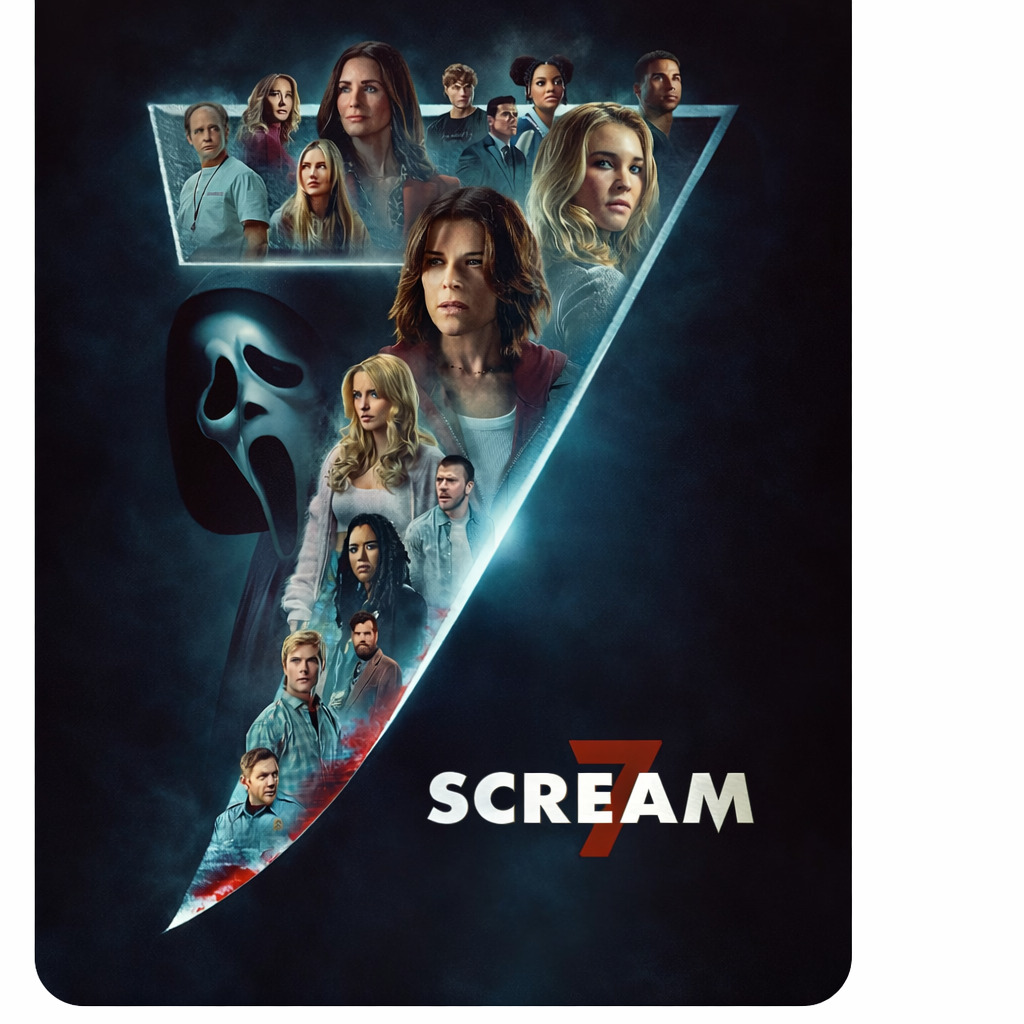
Films like Scream 7 not only sustain audience interest but expand it. With over $220 million in global box office revenue, the latest installment did not behave like a franchise in decline. It performed like a system that has adapted.
The key question is no longer why horror survives.
It is what exactly audiences are coming back for.
Horror is no longer about fear
Classic horror relied on immediacy and reflex, constructing its impact through sudden sound cues, disruptive imagery, and tightly timed moments designed to bypass analysis and trigger a physical reaction. Its effectiveness depended on limited audience awareness, where unpredictability functioned as the primary source of tension.
That condition has fundamentally changed.
Contemporary viewers approach horror with a developed understanding of its internal logic. Continuous exposure to genre conventions across cinema and digital platforms has created an audience that recognizes narrative patterns, anticipates structural beats, and processes intent almost simultaneously with the unfolding of the scene. As a result, techniques that once operated instinctively now require deliberate construction.
In this context, horror no longer functions primarily through fear as an immediate reaction. It operates through the management of anticipation.
The viewer does not question whether an event will occur, because its inevitability is already understood. Instead, attention shifts toward the configuration of the moment itself: how tension is distributed, how information is controlled, and how the sequence is structured to sustain engagement beyond the initial premise.
This transformation redefines the mechanics of the genre.
Suspense becomes an outcome of design rather than surprise, and effectiveness depends on precision rather than intensity. The slasher subgenre, in particular, demonstrates this shift by maintaining recognizable frameworks while reorganizing their internal dynamics to prevent predictability from collapsing into repetition.
Horror persists not because it continues to frighten in the traditional sense, but because it has adapted into a system that structures expectation with increasing sophistication.
The mask is not the story
In traditional horror, the killer was central.
In modern slashers, the killer is replaceable.
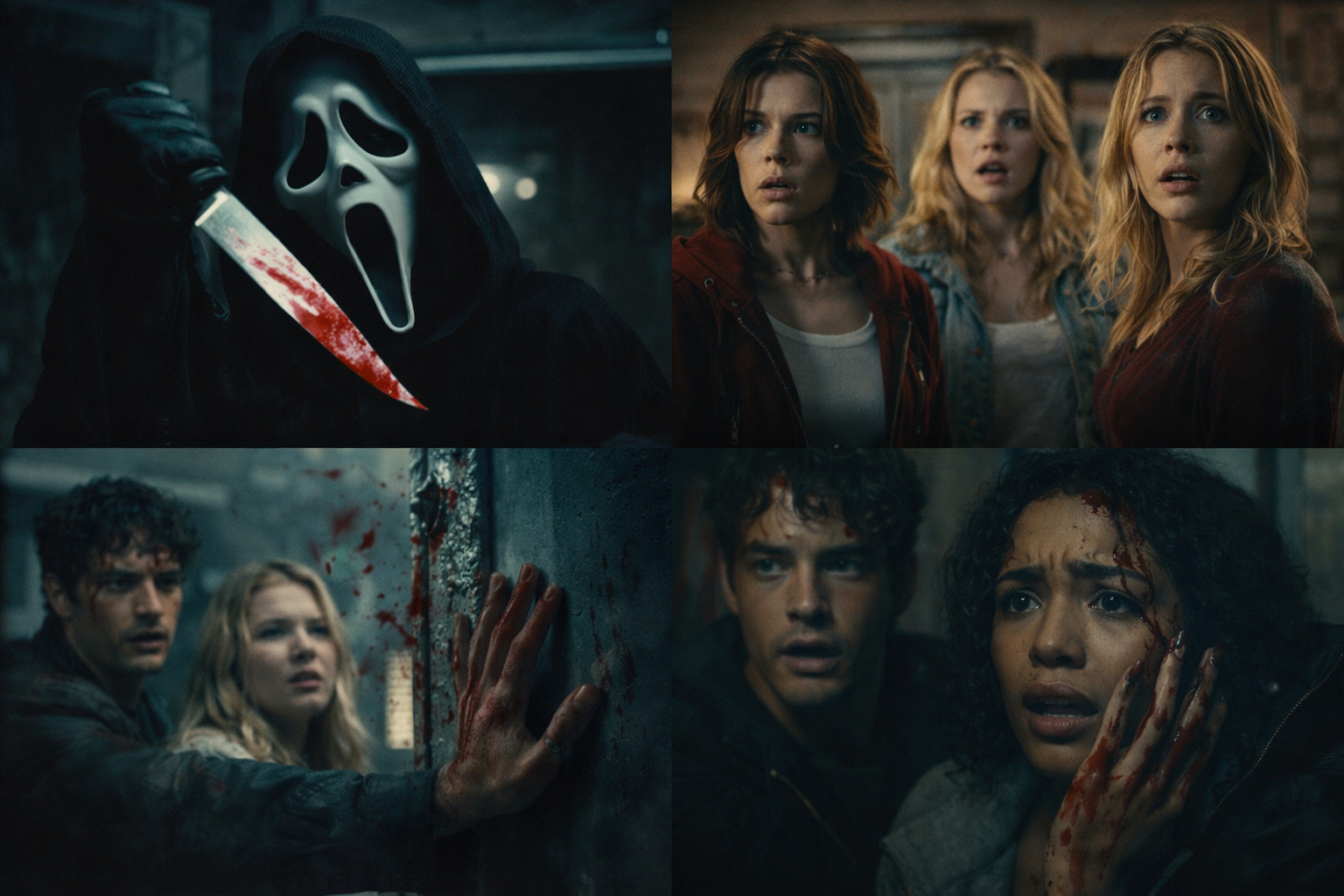
Take Ghostface. The identity behind the mask changes from film to film, but the function remains consistent. Ghostface is not a character in the conventional sense. It is a mechanism.
This distinction matters.
Because when the killer becomes a system rather than an individual, the narrative focus shifts:
from identity → to structure
from motive → to execution
from reveal → to process
The audience does not invest in who the killer is.
They invest in how the system unfolds.
And that system is endlessly repeatable — as long as it evolves.
Repetition is not the problem
Repetition is often framed as the core weakness of franchise horror, but this interpretation misses how the genre actually functions. Repetition is not a flaw; it is the underlying structure that allows variation to exist at all. Without a stable framework, there is nothing to subvert, and without subversion, there is no tension.
The real limitation is not repetition itself, but predictability without modulation.
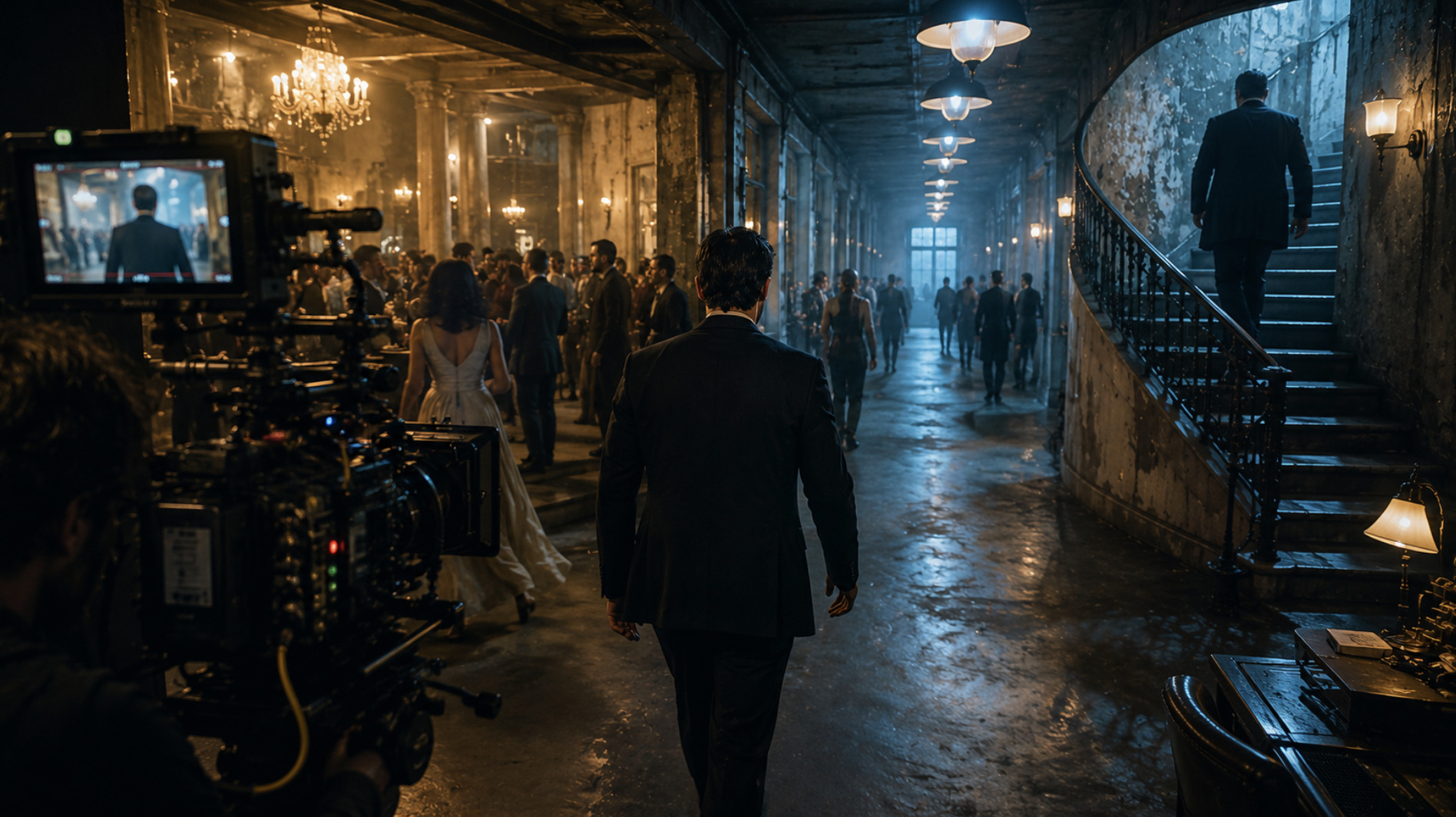
What recent slasher films demonstrate is a far more technical approach to familiarity. A single suspense sequence today can require 20–30 takes to calibrate timing, while editing structures often involve over 100 cuts within a single scene to control rhythm and perception. In parallel, practical effects teams can include 10–15 specialists working on prosthetics and continuity, ensuring that each visual element supports the illusion of realism without distracting from narrative flow.
These details are not incidental. They reveal that modern horror is engineered with a level of precision closer to procedural design than spontaneous storytelling.
This creates a controlled paradox:
The audience recognizes the rules,
but cannot fully map the execution.
Engagement emerges not from surprise alone, but from the instability within a familiar system. Each installment becomes a recalibration, where the known structure is subtly reorganized to delay certainty.
When this balance is achieved, repetition becomes invisible. When it fails, the system collapses into predictability.
Audience awareness changed the genre
The shift in audience behavior has forced a corresponding shift in production logic.
Where earlier horror relied on limited viewer awareness, contemporary films operate in an environment where genre literacy is assumed. Viewers identify narrative setups, anticipate reversals, and evaluate structure in real time. According to industry audience tracking data, over 60% of horror viewers report actively trying to predict plot developments while watching, a figure that has steadily increased over the past decade.
The task is no longer to conceal the mechanism, but to design it in a way that withstands scrutiny. Narrative decisions must function on two levels simultaneously: they must appear intuitive while being structurally deliberate.
Acknowledging genre rules is no longer optional. Manipulating them has become essential.
The shift from shock to design
Modern horror operates less like a sequence of events and more like a constructed system.
Scene development increasingly mirrors long-form storytelling techniques, where pacing is mapped across multiple narrative layers rather than isolated moments. Test screenings and data-driven adjustments have become standard practice, with studios refining sequences based on minute variations in audience response — sometimes altering timing by seconds to sustain tension curves.
The involvement of writers with serialized storytelling experience reflects this shift. Their approach prioritizes continuity, escalation, and controlled release of information over isolated impact.
Horror, in this model, is not built around individual scenes.
It is built around sustained tension architecture.
Franchise fatigue is selective, not universal
The concept of franchise fatigue persists, but its application is often inaccurate.
Audience behavior suggests not a rejection of repetition, but a rejection of stagnation. Films that fail tend to replicate surface elements without evolving internal structure, while successful entries introduce variation within a stable framework.
Market performance reinforces this distinction. Mid-budget horror films consistently deliver some of the highest return-on-investment ratios in the industry, often exceeding 5–7x production budgets. This indicates not declining interest, but sustained demand — provided that execution meets contemporary expectations.
The audience does not disengage from familiarity.
It disengages from lack of progression.
Why Scream still works
The durability of the Scream franchise lies in its ability to operate simultaneously as formula and commentary.
On a structural level, it preserves the core mechanics of the slasher genre: the masked figure, the escalation pattern, the final reveal. These elements provide continuity and recognition.
At the same time, the franchise continuously reinterprets its own logic. It adjusts pacing, reframes character roles, and integrates contemporary audience awareness into its narrative design. This dual operation allows it to remain both familiar and adaptive.
The result is a system that evolves without abandoning its identity.
The real function of modern horror
Contemporary slasher films no longer rely on fear as an isolated emotional trigger. They function through controlled uncertainty, where the audience engages not only with what is happening, but with how it is constructed.
Viewers track patterns, compare outcomes, and anticipate variations. The experience becomes analytical as much as emotional, creating a form of engagement that extends beyond the immediate viewing moment.
This is why the genre continues to perform.
Not because it shocks more effectively,
but because it structures attention more precisely.
Conclusion
Slasher films have not persisted by resisting repetition, but by redefining how repetition operates.
In a media environment shaped by awareness and constant exposure, horror has evolved into a system that balances familiarity with controlled variation. Its strength lies not in escalation, but in precision — in the ability to reorganize known elements in ways that sustain engagement.
The audience no longer asks whether the formula will repeat.
It asks whether the execution will justify it.
And as long as that question remains open, the genre remains viable.